
The Cult of Crypto (2020-2021)
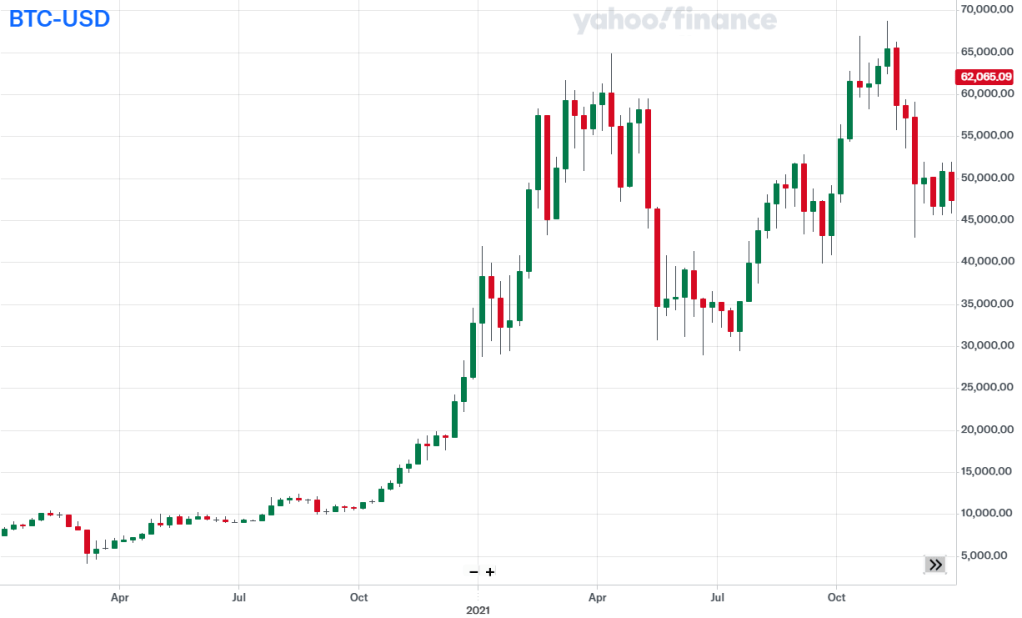
In the aftermath of COVID, stimulus checks and low interest rates created an environment ripe for speculation. The buzz around cryptocurrency grew with the price of Bitcoin (BTC), which rose from ~$10k to a peak of $69k between January 2020 and November 2021. This buzz eventually materialized into a vocal group of spearhead investors who acted as crypto-advocates. Unfortunately, this first crypto constituency behaved much like a cult.

Let’s not be obtuse and call it what it was. From an outsider’s perspective, the cult’s language and code of conduct created an air of toxicity. For example, selling any crypto—even a small amount to take a profit or remove the initial investment—branded you a non-believer, effectively exiling you from the cult of crypto. If you were unable to accept the lofty use-cases or valuation metrics cited, you were simply cast aside as too stupid to understand.
Was this the work of a vocal minority? Of course, but when a movement is in its infancy, these vocal factions disproportionately affect outside perception. Ultimately, supply and demand determine the prices of any asset. Through BTC’s halving mechanism, supply is kept in check. However, the demand side is completely up to market participants (traders, speculators, investors, etc…). A negative perception of BTC and those who use it would inevitably create hesitation, curbing adoption and demand.

A group of early adopters and believers understood this and attempted to reform crypto’s reputation. In 2021, the cult of crypto grew up a bit and evolved into a more palatable constituency overall. These early beneficiaries, investors, and entrepreneurs spent billions on celebrity endorsements, stadium naming rights, Super Bowl ads, and other marketing efforts to eliminate the scam label and create a sense of legitimacy.
Cryptocurrency Marketing Blitz:
- Staples Center, home of the Los Angeles Lakers, renamed Crypto.com Arena (Nov 2021).
- American Airlines Arena, home of the Miami Heat, renamed FTX Arena (March 2021).
- Elon Musk’s endorsement of Dogecoin (DOGE) on SNL (May 2021).
- Kim Kardashian’s IG endorsement ($250,000) of EthereumMax (EMAX).
- NFL quarterback Tom Brady, supermodel Gisele Bündchen, NBA superstar Stephen Curry, tennis icon Naomi Osaka, and Shark Tank’s Kevin O’Leary were all paid FTX ambassadors through 2021.
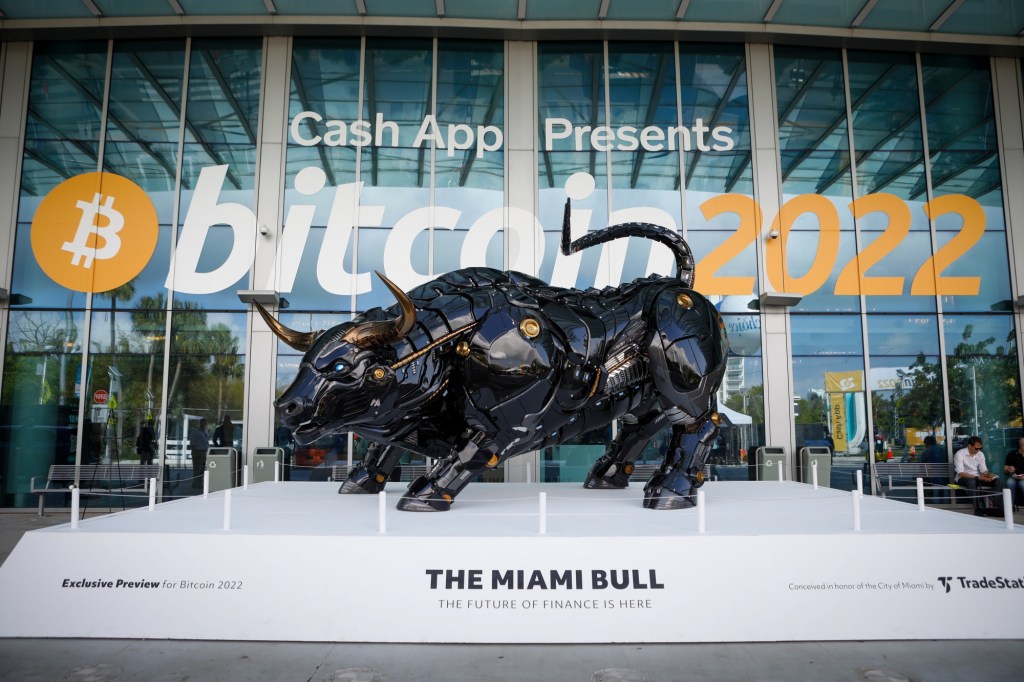
The Bitcoin Conference is another example. The city of Miami partnered to host the annual cryptocurrency conference. The partnership was the city’s attempt to brand itself as the world’s crypto capital. The city even created its own MiamiCoin. In April 2022, the conference featured “The Miami Bull,” a crypto take on the classic Wall Street Bull.
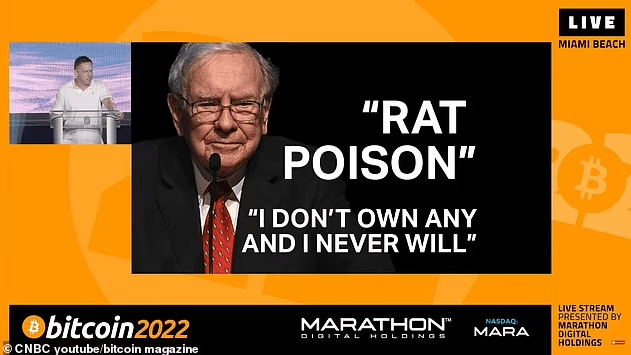
However, rhetoric from that conference proved counterproductive. During the keynote, Peter Thiel, cofounder of PayPal, labeled Warren Buffet, regarded by many as the greatest investor of our era, as “enemy number one” and a “sociopathic grandpa.” Although the cult-like portion of the constituency was clearly the minority, their voice was loudest, and it bred skepticism—cynicism, in some cases—among governments, institutions, money centers, and investment champions across the world.
It was always going to be a challenge to maintain the demand necessary to justify the levels BTC reached in 2021. Creating enemies and alienating potential allies all translate to less usage, adoption, and demand, contributing to the crisis of confidence that occurred in 2022.
Crisis of Confidence (2022)
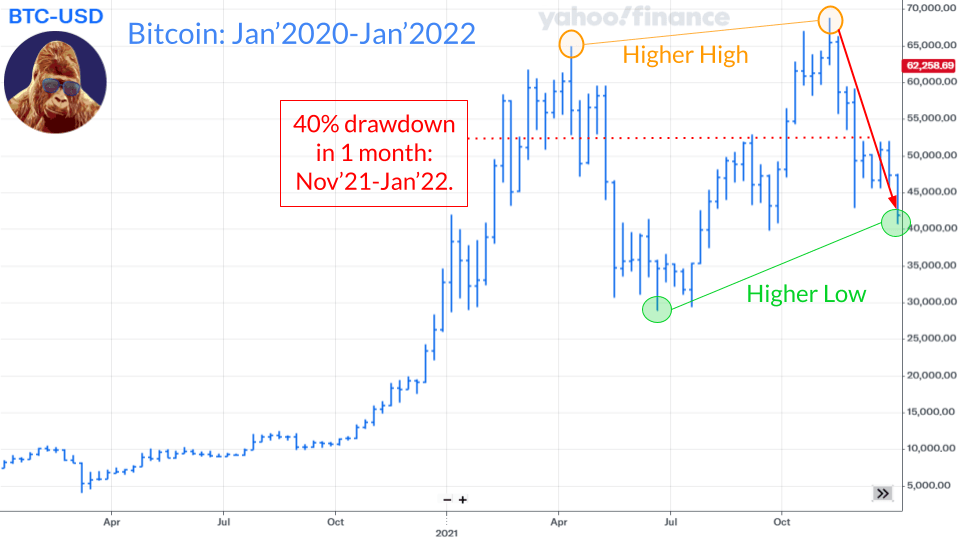
Despite starting 2022 in a 40% drawdown, the first quarter of 2022 was filled with optimism. At the time, the popular consensus among technical analysts was that BTC was stabilizing at a higher low after making a higher high. It was something to monitor, but didn’t rise to the level of panic.

The “Crypto-Bowl” showed the crypto-industry was convinced the weakness would not last. Crypto ads dominated the 2022 Super Bowl. Two hundred million viewers—around 60% of the U.S.’s population (333.3 million)—saw ads from Coinbase, FTX, Crypto.com, and eToro. According to Statista, the average cost of a 30-second ad that year was $6.5 million.
Coinbase’s ad, featuring only a bouncing QR code that functioned as a $15 promotion, ran for 60 seconds. For many, myself included, the code didn’t work due to overwhelming web traffic. Honestly, $13 million well spent. It got people talking and feeling opportunistic despite the lousy start to the year.
A few months later in April, as mentioned earlier, the Bitcoin Conference in Miami unveiled the crypto bull and featured their keynote speaker calling out the man many regard as the greatest investor of all time. Unfortunately, the fledgling industry and its retail champions couldn’t foresee what the Fed’s tightening cycle would mean for all assets.
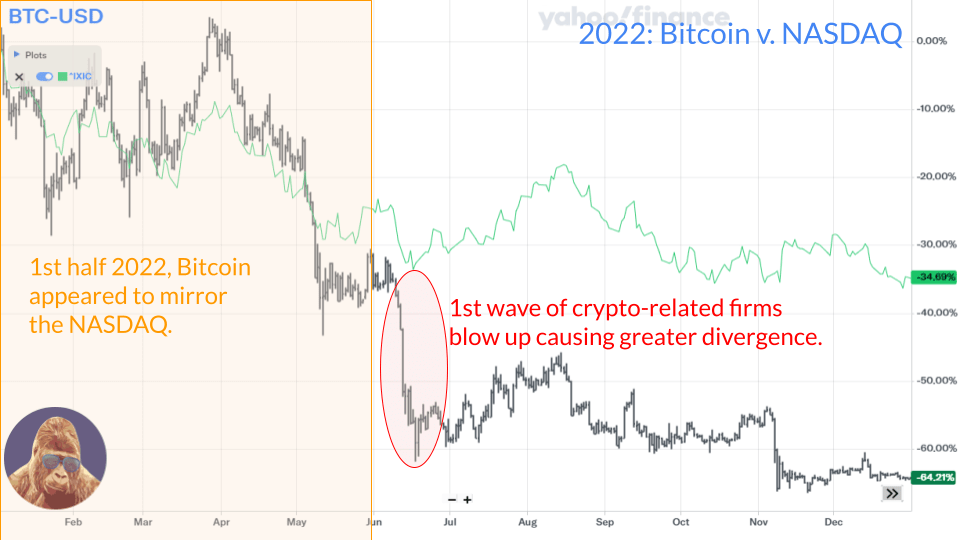
In March, right between the Crypto-Bowl and the Bitcoin Conference, the Fed began its tightening cycle, catalyzing a bear market across asset classes. One tenet of the crypto bull case was that it was uncorrelated to other asset classes. Not so; crypto was not immune. For months at a time, it traded alongside the NASDAQ, validating criticism that crypto was nothing more than an ultra-risk asset catering only to gamblers and speculators. While this didn’t outright cause the coming crisis, the undoing of this tenet emboldened crypto’s institutional enemies and dampened the enthusiasm of the crypto constituency.
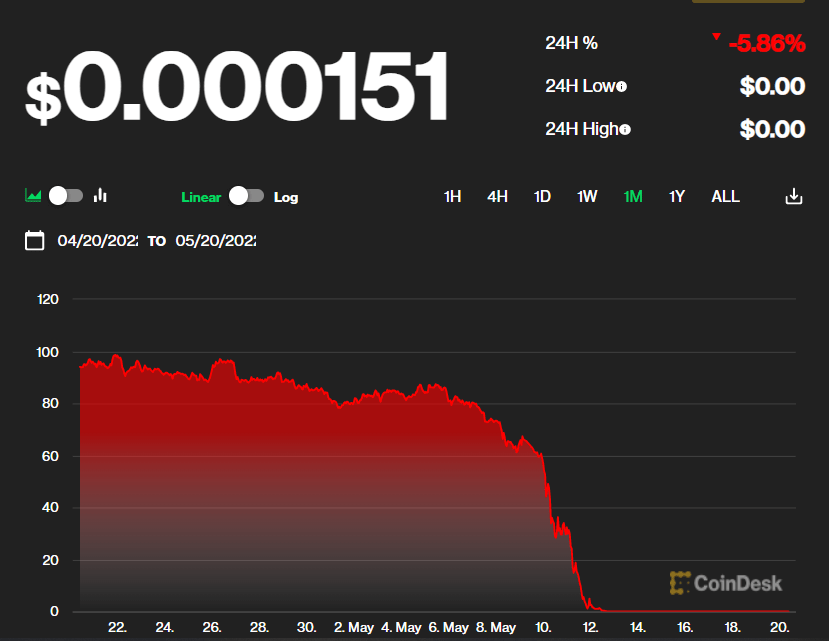
In May, stablecoins on the Terra network, UST and LUNA, collapsed… spectacularly… and the crisis began in earnest. As per Coinbase, the role of a stablecoins is to “provide the speed and security of blockchain while eliminating the volatility that most cryptocurrencies endure.” Personally, I used stablecoins as an intermediary on trading platforms that didn’t offer a direct way to hold fiat currency such as USD.
The mechanics behind the collapse are less important than the fact that they collapsed. Stablecoins were supposed to be… stable. Under the intense pressure of a BTC getting cut in half, these stablecoins failed. Following their failure, BTC dropped another 33% to $20k. Confidence was shaken, any HODL investor who bought within the last 2 years was now at a loss, critics took a victory lap, and the worst had
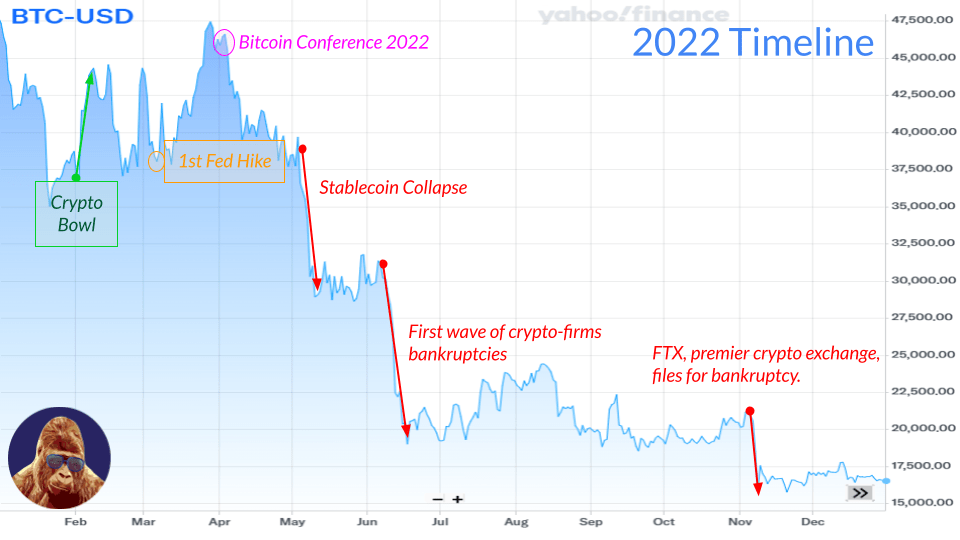
In June, a flurry of crypto firms imploded. Three Arrows Capital was the first. Voyager Digital and Celsius Network, crypto lenders, fell in July. BlockFi was temporarily saved by FTX, Sam Bankman-Fried’s crypto exchange. The rescue attempt failed as FTX filed for bankruptcy in November. The litigation that followed uncovered a massive fraud scheme attached to Alameda Research. In a sentence, FTX was crypto’s Enron: a black spot on the industry and asset that completely validated critics and discredited oblivious advocates.
At the end of 2022, BTC was trading around $16.5k, 76% below the all-time high and a 60% drop in the calendar year. The firestorm appeared to have finally burned itself out, leaving the crypto movement in ashes. The price drop aside, FTX completely validated the early skepticism and cynicism. Crypto advocates were dismissed as misguided at best, delusional at worst.
An Asset Class from the Ashes (2023-2024)
Popular consensus at the beginning of 2023 was that BTC would fall into a multiyear period of obscurity as it had after flirting with $20k in 2018. Many, myself included, did not believe anything could rise from this pile of ash. Consensus proved incorrect.
Down to its lowest levels since November 2020, with the movement’s champions either discredited or in the process of being incarcerated, Bitcoin had finally bottomed. After a few quiet months, some bold speculators took a flier on the washed-out asset. Their thesis was simple: after losing three-quarters of its value and putting the crypto version of Enron in the rearview, there were no more sellers and no worse news that could break. The path of least resistance was up.
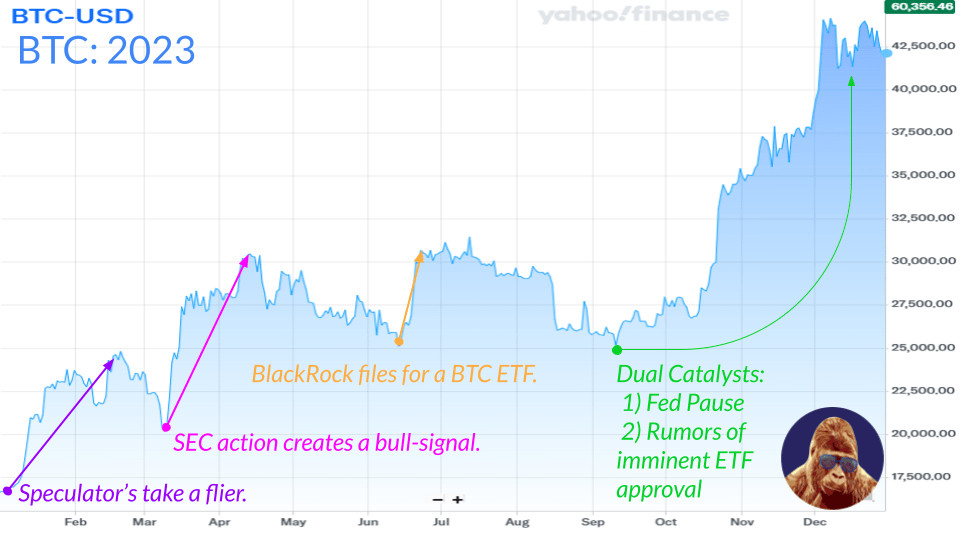
In March, the SEC accused Coinbase and Binance of operating illegal exchanges. After a brief dip, BTC counterintuitively rallied. An asset going up on bad news suggests the worst is priced in. This validated the speculator thesis. It was a bullish omen that renewed wider interest. The narrative began to shift.

What followed in June was an amazing development that promised to legitimize cryptocurrency as an asset class in the financial world: BlackRock’s iShares unit filed paperwork with the US Securities and Exchange Commission (SEC) to form the iShares Bitcoin Trust for a spot Bitcoin ETF. If approved, Bitcoin would become an ally of the big institutions that had once demonized it. These allies could provide the credibility and transparency necessary to make a much wider portion of the population comfortable adopting the currency. It would also force regulators to create the legal guardrails that the fall of FTX exposed the asset as desperately needing.
Although BTC would consolidate lower in the months that followed, rival institutions—Fidelity, Undaunted, Invesco, and WisdomTree—filed similar paperwork. The ETF-ization of crypto would bring integrity and transparency to cryptocurrency, giving it a real shot at joining the ranks of asset classes among equity, fixed income, cash, and alternatives.
In the final three months of 2023, two positive catalysts developed. Early reporting suggested that SEC approval of the BTC ETF was a foregone conclusion given the prior SEC approval of BTC futures. Simultaneously, the market became convinced the Fed was officially on pause after consecutively leaving interest rates unchanged at the September and November meetings. The combination of durable institutional demand via an ETF and easier financial conditions sent BTC back to the moon.
Monopoly Sentiment (2024-Today)
On January 10, 2024, the SEC approved Bitcoin Spot ETFs. Although their approval was reluctant, it represented the capitulation of the final force overtly against instating cryptocurrency as a legitimate investment. These ETFs integrated cryptocurrency into the business models of influential asset allocators and money centers. These institutions make BTC more accessible and trustworthy to the general investing public than ever before.
Cryptocurrency appears to be emerging as a new political talking point in 2024’s ultimate election year. While I believe the questions asked and survey pool largely skew the data to make crypto appear more important than it is, the fact that more candidates and parties across the world are discussing it indicates crypto is beginning to have an impact on voters. With respect to the U.S. presidential election, the Trump campaign has adopted a favorable stance, and the Biden campaign has softened its previously critical position. Politicians in the EU are taking nuanced stances as well, which bodes well for adoption beyond the U.S.
As for the crypto constituency of 2020-2021, they have become far less extreme and divisive. Perhaps they just got less loud. Either way, this constituency now acts in a way that is far more conducive to converting skeptics to believers. Instead of promising to replace gold as the premier reserve currency or replace fiat currencies as a singular global currency, the new thesis is nuanced and humble, which I will try to lay out:
Cryptocurrency and the blockchain technology behind it are so new that it is hard, if not impossible, to project exactly how or what they will be used for. However, there is no denying the potential of the underlying technology, meaning it will, one day, play a larger, more meaningful role in the world. Until that day comes, why not make a small place for it in your portfolio? That way, when the day comes and a profitable use-case emerges, you’ll profit from it. Be more than an observer; be an owner.

So, what is the bull case moving forward? Over the next 3-5 years, in a sentence: further adoption as an asset class through financial institutions internationally.
BTC ETFs are only available on U.S. exchanges. They have only been available for a little more than half a year. I believe there is still plenty of demand left in U.S. markets, but the real upside exists in the demand will be realized as the rest of the world follows in the U.S.’s footsteps. The U.S. has a history of leading the way in technology and innovation. The U.S. has charted the path; my thesis is that other nations will soon walk down it.
I see it as an “if not now, then when?” moment. Supply and demand determine price. The balance has shifted in favor of demand. At a time when concerns surrounding rampant government debt have put all fiat currencies under renewed scrutiny, the bull case for BTC has never been easier to make. BTC will have the benefit of their old enemies turned allies to help make the case. This thesis doesn’t even account for additional demand that would come with a real-world use-case.
The Chart Tells the Story
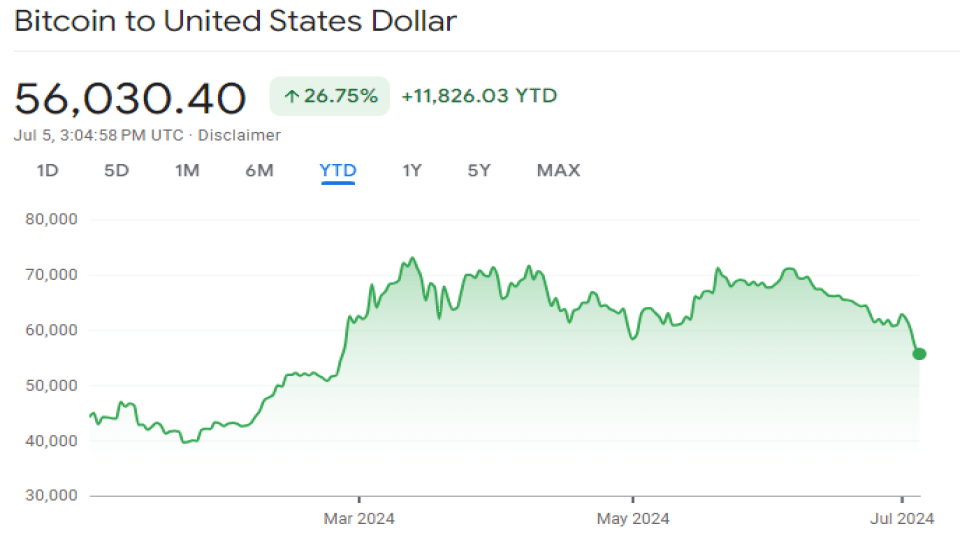
At the time of writing, Bitcoin is in the process of forming a new base at a higher level in the $50,000s. This implies BTC has the support of a new, larger, and more mature shareholder base. In other words, I think the chart confirms the demand story. Of course, this conclusion could be the result of hubris or confirmation bias, but I have a hard time believing BTC could behave as it has this year if it were still governed by the same dynamics of 2017-2018 or 2020-2021. In my opinion, the ability to hold $50k would be meaningful as it would indicate the demand is real.
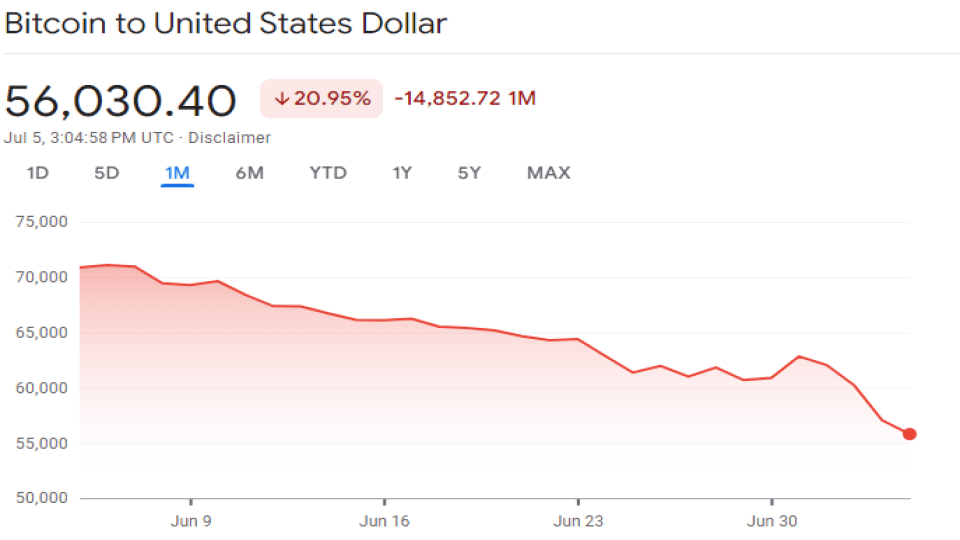
That said, there’s no hiding from the fact that June hasn’t been a pleasant month; BTC has fallen ~20%. Many attribute the sell-off to sizable crypto payouts being made to creditors. Mt. Gox plans to distribute ~$9 billion – with a “b” – in crypto assets this month (July 2024). The exchange went under due to the theft of 950,000 bitcoin; 140,000 of which have been recovered. These claimants have been waiting over a decade. Whatever portion each receives will carry a 10,000% increase. You would sell a little too. Hell, you might sell everything, happy to close the book on what turned into a miserable decade-long saga.
Don’t forget supply and demand. No real upside catalysts to speak of and a real source of new supply just hit the market. Expectations should have been for a decrease.
An Asset [Class] That Should Be Owned
Technical analysis and charts aside, the reason for my investment is fundamental in nature. Put simply, I believe 2024 BTC is built different from past iterations. It has never been easier to see the demand runway.
- BTC has no powerful enemies, which means the marketing war is won. The voices championing crypto as an asset class no longer face any meaningful opposition. Prior to ETF approval and this year’s election, U.S. government agencies, such as the SEC, took every opportunity to slam the asset without doing anything to actually regulate it.
- Speaking of those champions, they’re powerful institutions that have greatly expanded the accessibility of crypto. You can get BTC exposure through an ETF for heaven’s sake. I expect international regulators to follow suit, which represents further demand and upside.
- The cult of crypto has evolved into an approachable constituency that doesn’t automatically alienate wide swaths of potential retail investors.
In short, the factors that held BTC back in 2021 are now propelling it forward in 2024. The compelling bear arguments of 2021 cannot be made in 2024. Consequently, for BTC to collapse as it had during the 2022 crisis of confidence, there would have to be a catalyst other than speculators and gamblers losing interest. Hedge funds, money centers, banks, and asset allocators hold this now. The shareholder base and path forward has never been more visible.
All of this leads me to believe cryptocurrency is an asset that should be owned. I’ve chosen Bitcoin through the ETF wrapper. Size it right for your time horizon and risk tolerance. Generally speaking, the longer your time horizon and the greater your risk tolerance, the more you can own.
 Gorilla With Glasses
Leave a Reply