
A Bit of Background
For years, I had been happily married to my Samsung devices. But earlier this year, in a moment of weakness fueled by Vision Pro hype, I converted to Apple via the iPhone 15 Max Pro. My brother, the family’s resident Apple aficionado, rolled out the red carpet for my transition. My girlfriend, also a member of the Apple ecosystem, provided immeasurable support as I navigated the challenges of this significant change.
Honestly, I was underwhelmed. I had hoped the cult of Apple would offer more than blue bubbles, custom emojis, and Find My Friends. The inability to run two apps at once was debilitating. After a month, I relented. I gave my brother the new iPhone and returned to Samsung, splurging on a Samsung Galaxy 24 Ultra (S24U).
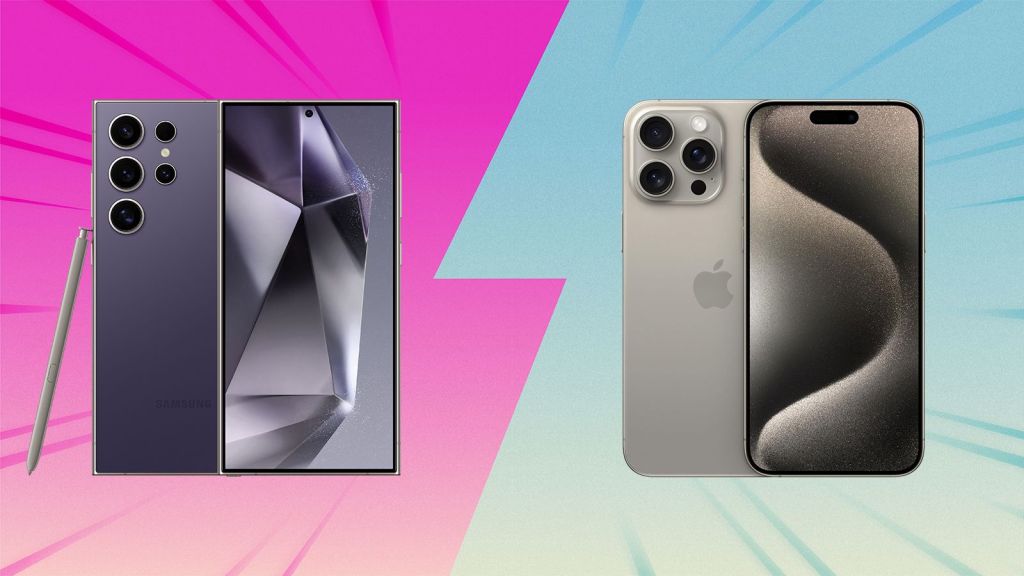
I have had the privilege of experiencing the best of both worlds: Apple and Samsung. I can confidently say that I have done my due diligence courtesy of this tech love triangle.
A Win for Stockholders
The big takeaway from WWDC 2024 is that the iPhone is finally welcoming AI to iOS… iOS 18, to be precise, which means AI will not be backwards compatible. Those without an iPhone 15 will need to upgrade to access the new AI features made available through the cleverly named Apple Intelligence. See what they did there?
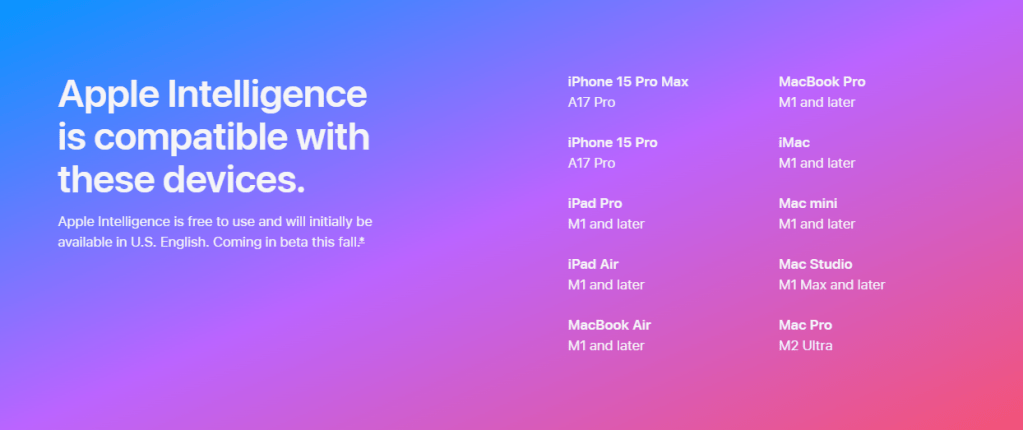
This development should trigger the long-awaited iPhone upgrade cycle necessary for Apple’s stock (AAPL) to solidify its status as a long-term market leader. In fact, following WWDC, AAPL acted like a small cap. A $3T company added more than 10% in two sessions, all-time high on massive volume, regaining the title of world’s most valuable company by market capitalization. The stock goes higher.
In their February 2024 report, covering performance through the end of 2023, Apple reported 2.2 billion active devices: iPhones, iPads, and Macs. Popular consensus is that 1.46 billion are iPhones. At that point, the iPhone 15 line had only been available for two months. Assuming 20 million iPhone 15 units were sold, this implies that ~98.6% of active iPhone users will need to upgrade to access Apple Intelligence.
Will Apple see that much of their core users upgrade? No, but it doesn’t need to. If even a fraction of Apple loyalists decide to, the fundamentals will definitively justify what some consider a lofty valuation today.
A Push for Technology
Aside from Siri 2.0, Apple played catch-up at WWDC 2024. Apple’s partnership with OpenAI (and potentially other partners) is both a technological push and an implicit admission of defeat. Apple has a history of doing things in-house, building an omni-ecosystem integral to their identity and commitment to user privacy. Bringing another party into the fold, like OpenAI, makes them reliant on and liable for that party, introducing a new risk to Apple’s pristine image.
Siri 2.0 has the potential to be the most significant technological advancement from the conference. Siri has underdelivered on its initial promise of being “a personal assistant that could help users perform everyday tasks using voice”. Siri 1.0 has set the bar extremely low for Siri 2.0. The integration of Siri, which has access to your personal information via your Apple ID, with a functional AI agent from OpenAI, has the potential to create the first truly personal AI assistant. Up to this point, AI has been a tool for the enterprise, not the individual. This, ladies and gentlemen, has a chance to be revolutionary.
The rest of the conference was Apple playing catch-up. The “new” AI-writing tools – summarization, rewriting, proofreading, and voice transcription to native apps – already exist on devices powered by Google, Samsung, and Microsoft. I look forward to welcoming my Apple counterparts to the AI-enabled year 2024 when iOS 18 releases in the fall… for what’s left of it, anyway.
AI-generated emojis? I don’t want to yuck anyone’s yum, but is that really central to the promise of AI? I don’t need AI to make emojis. I want AI to handle redundant tasks I’d rather not do: find and buy concert tickets, make dinner reservations, summarize texts or email chains, etc… For what it’s worth, Siri 2.0 promises to handle tasks such as these.
General Closing Thoughts
From an investment perspective, for the first time since the iPhone 11, I believe Apple has given current users a compelling reason to upgrade. An upgrade cycle ensures AAPL’s place among market leaders.
From a technological perspective, I view it as a wash. The only potential triumph rests in a new version of Siri: the first AI product designed specifically for individuals. Apple excels at product execution, so I wouldn’t worry about Siri 2.0 being good. My only concern stems from Apple’s commitment to user privacy. Despite the company’s explanations, I find it hard to believe that personal data – typically kept on-device – necessary for Siri 2.0 to shine can be kept private from associated partners.
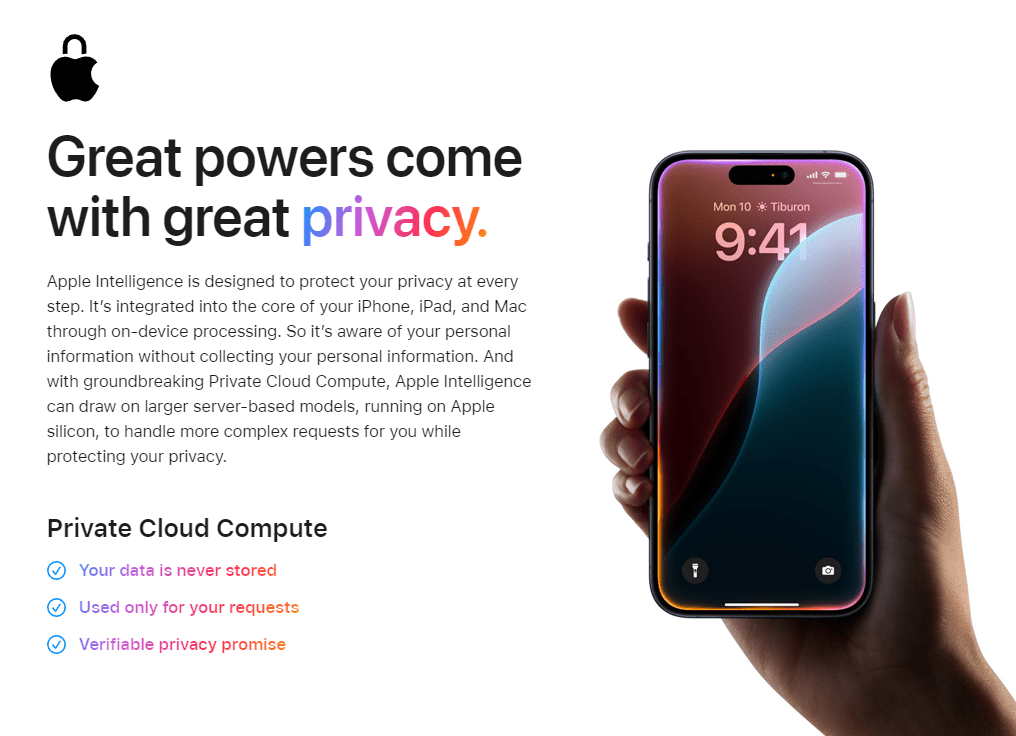
In the end, both phones and operating systems are amazing. The integration between Google and Samsung over the past few years has finally created an ecosystem worthy of rivaling Apple’s. After using the iPhone 15 and S24U, I feel iOS and Android are converging. Apple had a chance to differentiate at WWDC; instead, they took the low-risk, high-reward path of mimicking Android tools. The decision to partner with OpenAI, rather than building in-house, is another example of Apple acting more like its peers. The further we go down this road, the more it becomes a matter of preference. I happen to prefer Samsung.
Ultimately, my biggest complaint with the iPhone was that it lacked key features I was accustomed to having on the Galaxy. WWDC promises that the iPhone will pick up some of those features, and Apple has committed to keeping its AI services free indefinitely. In 2025, Samsung plans on charging for their AI suite. If the vision laid out at WWDC comes to fruition and Samsung goes the route of “AI as a subscription”, then I may find myself with an iPhone in 2025.
 Gorilla With Glasses
Leave a Reply