
When I woke up at 8:30AM to give Payrolls a cursory look, my initial thought was that the bear was about to reassert itself.
- Headline job creation of 517k: 2.75x greater than the 187k consensus; far above the prior 260k.
- Unemployment fell to 3.4% from 3.6%.
These numbers imply wage inflation was far from contained, and that the Fed will need to go higher for longer. However, a few bullish nuggets buried within the report put in the context of the FOMC Q&A proved enough to avoid an outright bearish response.

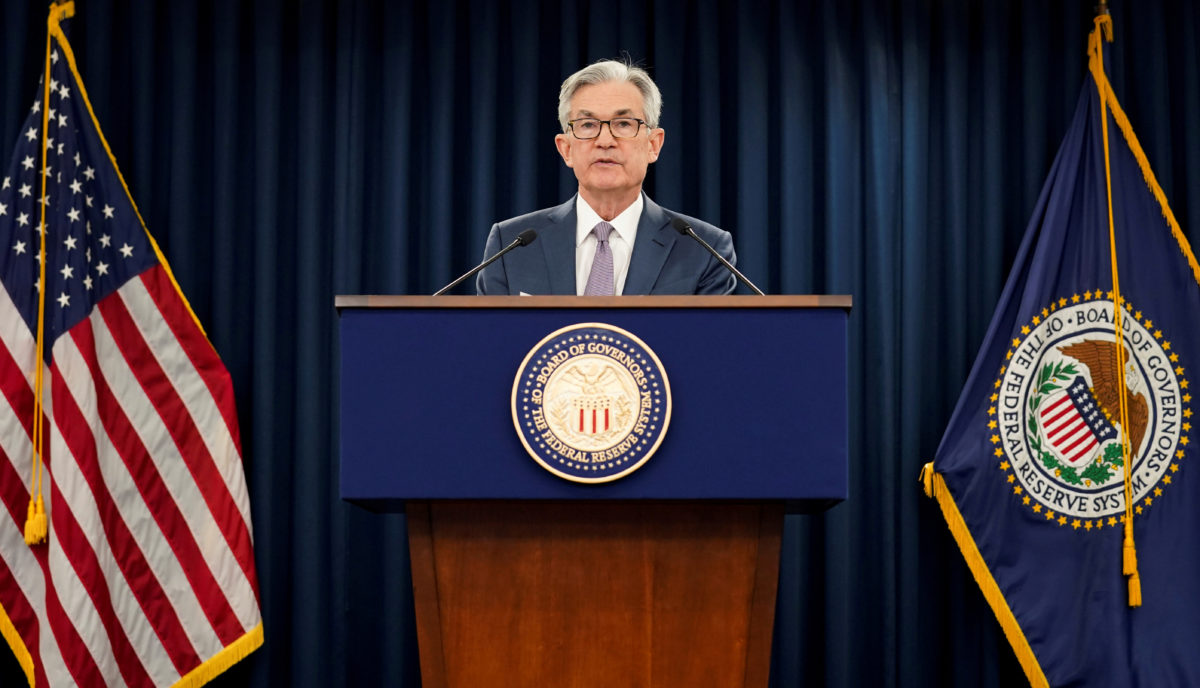
First, let’s go over the new context provided at Powell’s presser.
During the Q&A, Steve Liesman asked Powell if he thought it was possible to get services inflation under control at 5% Fed Funds without a substantial rise in unemployment (pg. 13-16). Powell replied, “I do think there are a number of dimensions through which the labor market can soften… My base case is that the economy can return to 2 percent inflation without a really significant downturn or a really big increase in unemployment.”
Heading into this meeting, the Fed appeared to believe the only way to tame wage inflation was through unemployment. Powell’s statement suggests that theory is under review. Consequently, a new outcome exists where the Fed stops tightening without orchestrating the rise in unemployment synonymous with recession. At the next meeting, Fed members update their SEPs – summary of economic projections. If the committee revises their unemployment projections down, then it would be a sign this theory is gaining traction.
Now, let’s cover the two bullish points buried in the report.
First, despite record job creation, average hourly wages did not spike. In fact, it didn’t do much at all. On a yearly basis, average hourly wages came in 0.1% above consensus at 4.4%; however, this is down from the prior month’s 4.6%. This feels like something out of economic fiction. We have strong job creation without strong wage pressure. The two do not often coincide. We have now witnessed this phenomenon in back-to-back reports.
Second, labor force participation increased to 62.4% from 62.3%, which means more people are looking for work. This makes it easier for employers to hire and retain talent without inflationary wage-incentives. Furthermore, it decreases opportunities for lucrative, horizontal job hopping. These dynamics fueled wage-inflation in 2022. The Fed will be happy to see these tailwinds become headwinds. This trend can continue if more people decide they need to come back to work as saving rates decline and COVID-era stimulus is spent.
Labor force participation and average hourly wages represent “dimension[s] through which the labor market can soften” without actually increasing unemployment. Otherwise, this report shows the U.S. economy is solid enough to endure additional Fed rate hikes and is far stronger than bears require for an imminent earnings collapse. I suspect earnings this week will further showcase the strength of the U.S. economy.

Together, I think these factors explain why markets avoided a Payrolls-panic and begin to make a compelling case for getting more constructive on equities as an asset class.
 Gorilla With Glasses
Leave a Reply